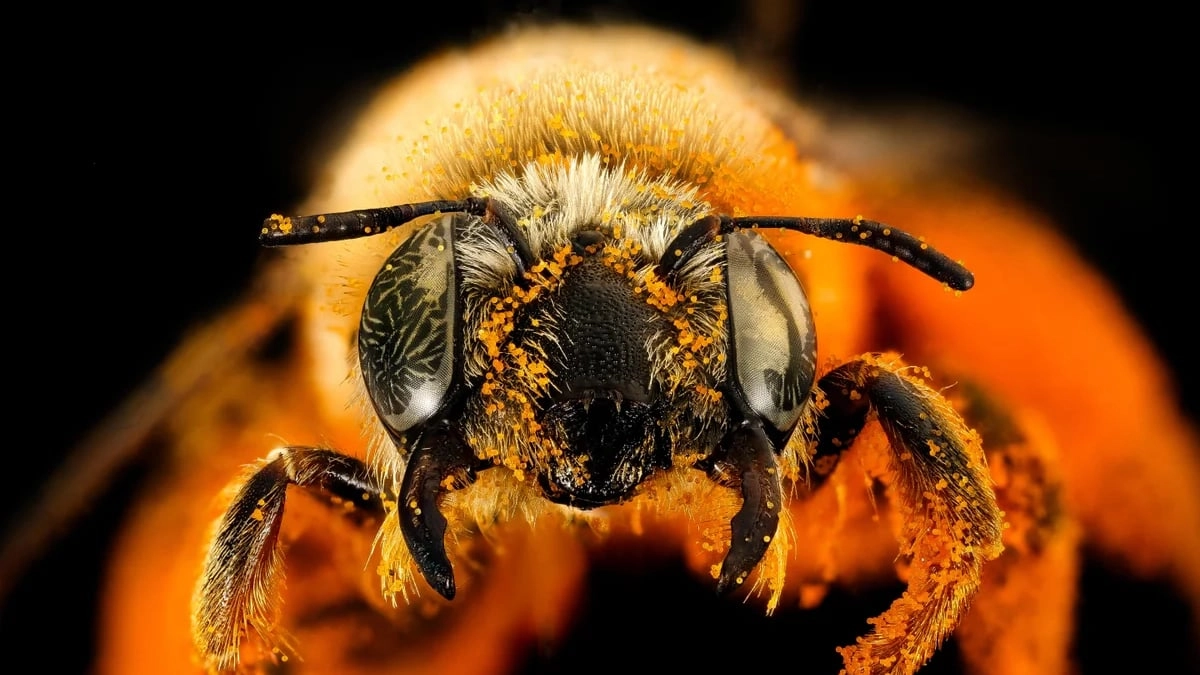
Why Bees Matter: The Tiny Pollinators Powering Our Planet

Bees are far more than honey producers—they are essential pollinators that support global food systems, biodiversity, and healthy ecosystems. By transferring pollen between flowers, bees enable plants to reproduce, sustaining crops, wildlife habitats, and natural landscapes. However, bee populations are declining due to habitat loss, pesticides, and climate change. Protecting bees is critical to preserving ecological balance, food security, and the beauty of our natural world.
Bees may be small, but their impact on the planet is enormous. These industrious insects play a vital role in pollination—the process of transferring pollen from one flower to another, allowing plants to reproduce. Without bees, many of the foods we eat and the ecosystems we rely on would struggle to survive.
Around one-third of the world’s food crops depend, at least in part, on pollinators like bees. Fruits such as apples, strawberries, blueberries, and almonds rely heavily on bee pollination. Vegetables like cucumbers, pumpkins, and peppers also benefit from their work. Even crops used to feed livestock, such as alfalfa, depend on bees. In short, bees are fundamental to global food production. Without them, grocery store shelves would look dramatically different—less colorful, less nutritious, and far more expensive.
Beyond agriculture, bees are crucial to maintaining biodiversity. Wild plants depend on pollination to produce seeds and fruits, which in turn provide food and shelter for birds, mammals, and other insects. When bees thrive, ecosystems flourish. When their populations decline, the ripple effects can disrupt entire food webs. Healthy bee populations help sustain forests, meadows, and grasslands, ensuring that natural habitats remain vibrant and resilient.
Advert
However, bee populations worldwide are facing serious threats. Habitat loss is one of the primary challenges. As urban areas expand and farmland becomes more industrialized, wildflowers and nesting sites disappear. Pesticide use, particularly certain insecticides, can harm bees directly or weaken their immune systems. Climate change also affects flowering patterns, making it harder for bees to find consistent food sources. Additionally, diseases and parasites, such as the Varroa mite, pose ongoing risks to managed honeybee colonies.
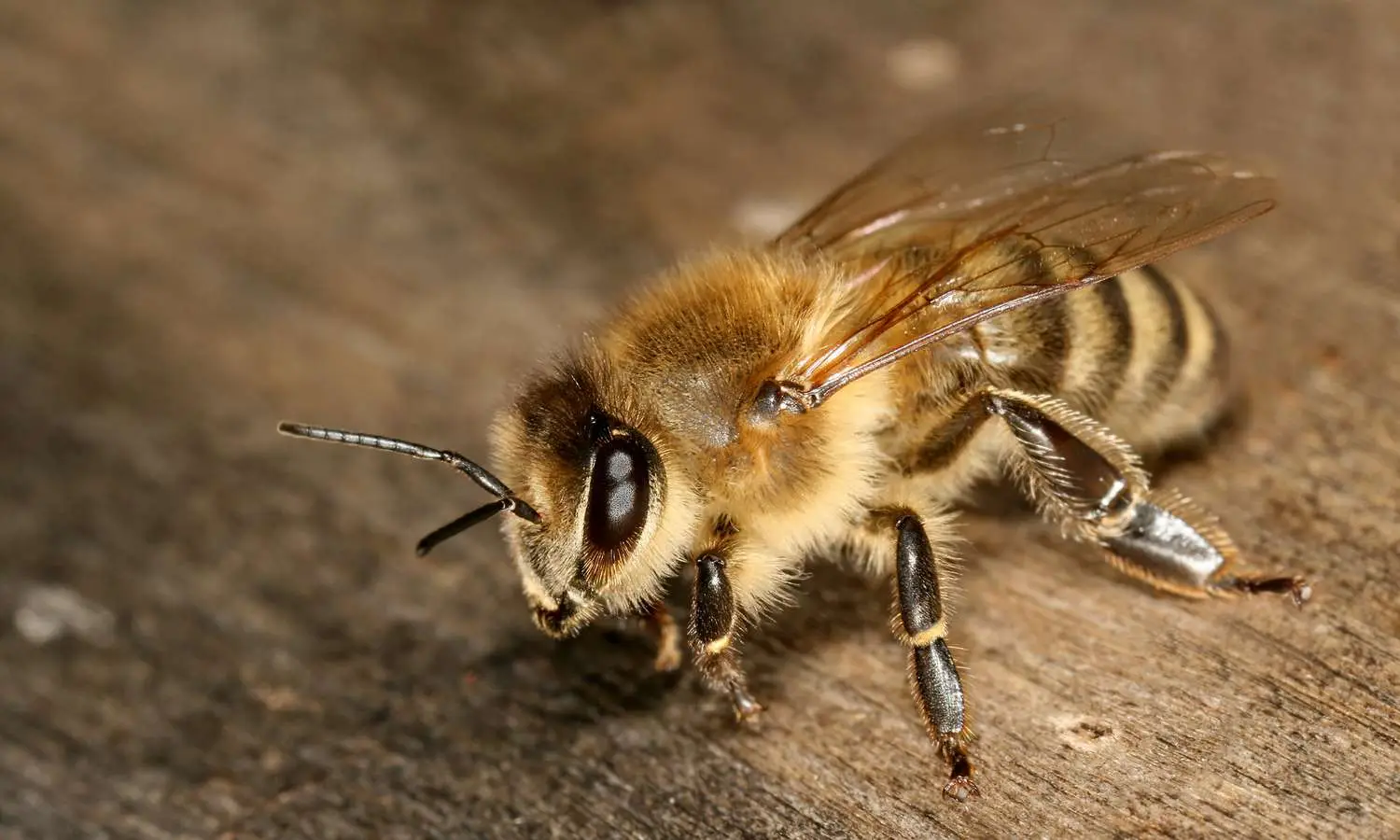
The decline of bees is not just an environmental issue—it is an economic one. Pollination services contribute billions of dollars annually to global agriculture. Farmers often rely on managed honeybee colonies to ensure crop yields. If bee populations continue to decline, food production costs may rise, affecting both farmers and consumers. Protecting bees is therefore an investment in food security and economic stability.
Fortunately, there are ways individuals and communities can help. Planting native wildflowers, reducing pesticide use, and supporting local beekeepers all contribute to bee conservation. Even small actions, such as leaving patches of garden undisturbed for nesting, can make a meaningful difference. On a larger scale, policy changes that promote sustainable farming practices and habitat restoration are essential.
Advert
Bees remind us that even the smallest creatures can have a profound influence on the world. Their quiet, constant work sustains our food systems, enriches our landscapes, and supports countless species. Protecting bees is not simply about preserving honey—it is about safeguarding the delicate balance of life on Earth.
 Paulina Orawczak